Rajesh Chandan And Elements Wellness: How One Entrepreneur Is Bringing Ayurveda Into Modern Wellness
Elements Wellness: There was a time when wellness was mostly associated with traditional home remedies, simple diets, yoga, and advice passed down from one generation to another. Today, the meaning of wellness has changed. People are becoming more conscious about what they eat, how they live, and how they can take better care of themselves before health problems become serious.
This growing awareness has created space for a new generation of Indian wellness brands that are trying to bring traditional knowledge into modern lifestyles. Among them is Elements Wellness, a brand built around preventive healthcare and Ayurvedic products.
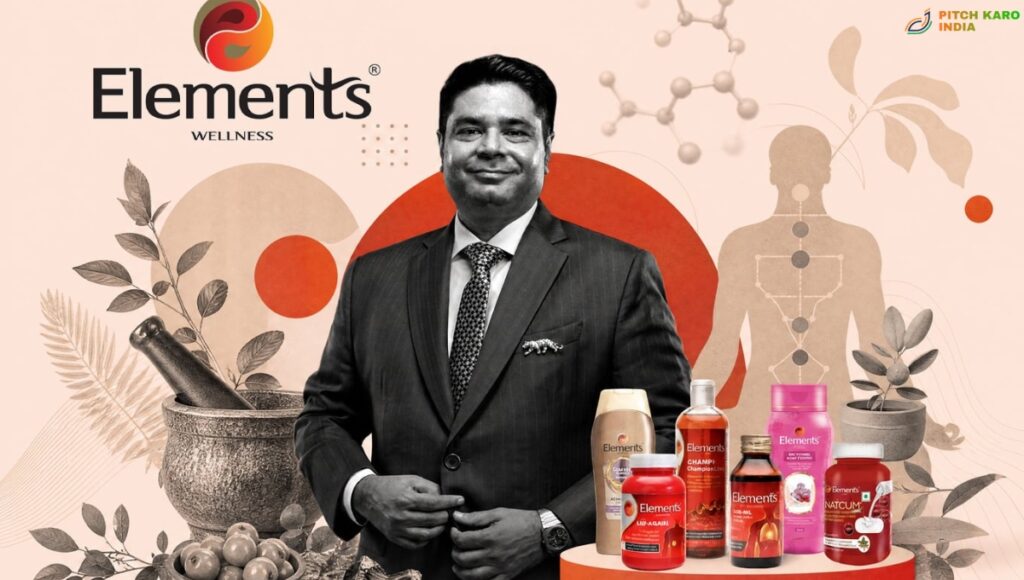
Behind the company is entrepreneur Rajesh Chandan, who serves as the founder and chairman of Elements Wellness. His journey into the wellness space was not an overnight decision. It grew out of his experience in India’s retail sector and his involvement with IndiaShoppe, a retail venture he co-founded with Viresh Mehta in 2013.
The story of Elements Wellness is therefore not simply about selling Ayurvedic products. It is also about the changing way Indian consumers think about health, prevention, traditional knowledge, and everyday wellbeing.
At a time when people are looking for more natural and mindful choices, the idea of preventive wellness is becoming increasingly relevant. Instead of waiting until something goes wrong, consumers are becoming interested in taking small steps every day to support their overall wellbeing. That is the space Elements Wellness aims to occupy.
The Entrepreneur Behind Elements Wellness
Rajesh Chandan is the founder and chairman of Elements Wellness. Before the wellness brand took shape, he was involved in the retail business through IndiaShoppe, which he co-founded with Viresh Mehta in 2013. This background is important because building a wellness brand requires more than knowledge of products. It also requires an understanding of consumers, distribution, retail behaviour, branding, and changing market expectations.
Retail teaches entrepreneurs an important lesson: customers do not simply buy products. They buy solutions, convenience, trust, familiarity, and experiences. That understanding can become particularly valuable in the healthcare and wellness industry, where consumer trust is one of the most important parts of the relationship between a brand and its customers.
Elements Wellness emerged from this broader entrepreneurial journey, bringing together the experience of retail with a focus on preventive healthcare and Ayurveda. For Rajesh Chandan, the opportunity was not only to participate in India’s growing wellness market but also to create a brand connected with the country’s long relationship with traditional health practices.
From IndiaShoppe to Elements Wellness
The journey of Elements Wellness can be understood better by looking at IndiaShoppe. Rajesh Chandan and Viresh Mehta co-founded IndiaShoppe in 2013, establishing a foundation in the retail sector. Retail businesses operate close to consumers, and that proximity can reveal changing habits and preferences.
Over time, Indian consumers have become more curious about products associated with health, natural ingredients, Ayurveda, nutrition, and preventive wellbeing.
The growing interest in these categories created a natural opportunity to explore a dedicated wellness business. Elements Wellness was subsequently launched as a preventive healthcare and Ayurvedic product brand.
This move represents an interesting transition from general retail toward a more specialised consumer category. Instead of simply offering a broad selection of products, a wellness-focused brand can build its identity around a specific idea: helping people make better choices for their everyday health and wellbeing.
What Is Preventive Healthcare?
Preventive healthcare is based on a simple idea. It is better to pay attention to health before a problem becomes bigger. That does not mean that every health problem can be prevented. It also does not mean that traditional products can replace medical treatment. Rather, preventive healthcare encourages people to become more aware of their lifestyle, habits, nutrition, physical activity, and general wellbeing. For many people, prevention can begin with simple everyday choices.
Eating a balanced diet, staying physically active, getting adequate rest, maintaining good hygiene, managing stress, and seeking professional medical advice when needed are all parts of a broader approach to health. Wellness brands operate within this larger environment.
Elements Wellness positions itself around preventive healthcare and Ayurvedic products, connecting the brand with consumers who are interested in incorporating traditional wellness approaches into modern life.
Why Ayurveda Still Matters in Modern India
Ayurveda has a long history in India and remains deeply connected to the country’s cultural understanding of health and wellbeing.
However, the way people interact with Ayurveda has changed. Modern consumers often want traditional products in forms that fit their busy routines. They may be interested in Ayurvedic ingredients but still expect convenience, clear information, modern packaging, quality standards, and easy access.
This creates an interesting challenge for wellness companies. A brand cannot simply rely on the word “Ayurveda.” It needs to communicate what its products are, how they are intended to be used, what ingredients they contain, and what consumers should realistically expect.
Elements Wellness enters this space by presenting Ayurveda through the lens of a contemporary preventive healthcare brand. That approach can make traditional wellness concepts feel more accessible to consumers who may not have grown up using Ayurvedic products regularly.
The Changing Indian Wellness Consumer
India’s wellness market is changing along with its consumers. People are increasingly reading product labels, researching ingredients, comparing brands online, and asking questions about what they put into their bodies.
Social media has also changed the conversation around health. Consumers are exposed to discussions about nutrition, fitness, sleep, mindfulness, traditional remedies, supplements, and preventive health every day. This has created a much more informed and demanding customer. A wellness brand therefore needs to build trust before it can build loyalty.
Consumers want to know where a product comes from, what it contains, how it should be used, and whether the claims surrounding it are supported by credible information. For a brand such as Elements Wellness, this changing consumer behaviour represents both an opportunity and a responsibility.
Building Trust in the Wellness Industry
Trust is particularly important when a company operates in the health and wellness space. People are naturally cautious when choosing products related to their health. A brand’s reputation can be affected by the smallest gap between what it promises and what customers experience.
This makes transparency essential. A responsible wellness company needs to communicate clearly and avoid making exaggerated claims. Consumers should understand that Ayurvedic and wellness products are not automatically suitable for every individual.
Different people can respond differently to ingredients, particularly when they have existing health conditions or are taking medicines. That is why professional medical advice remains important when someone has a specific health concern.
For Elements Wellness, building a long-term brand means creating an environment where consumers feel informed rather than pressured. The strongest wellness brands are not necessarily the ones making the biggest promises. They are often the ones that communicate realistically and consistently.
The Role of Retail Experience
Rajesh Chandan’s background in retail provides another interesting dimension to the Elements Wellness story. Retail is ultimately about understanding people. Customers have different budgets, preferences, lifestyles, and expectations. Some may be highly knowledgeable about Ayurveda, while others may be discovering it for the first time.
A wellness brand therefore has to speak to a broad audience. Packaging needs to be understandable. Product information needs to be accessible. The buying process needs to feel convenient. Customer service needs to be responsive.
These details may seem small, but together they determine how consumers experience a brand. Rajesh Chandan’s earlier experience with IndiaShoppe potentially provides useful insight into these consumer-facing aspects of business. The transition from retail to wellness is therefore not a complete departure. It is an evolution toward a more focused category.
Why Preventive Wellness Is Becoming More Popular
Modern lifestyles can be demanding. People spend long hours working, deal with busy schedules, rely heavily on technology, and often struggle to maintain consistent routines. At the same time, awareness around long-term wellbeing is increasing. This has encouraged many consumers to think about health before they face an immediate problem. Preventive wellness fits naturally into this mindset. The idea is not about searching for a magical product that solves everything. It is about developing a more thoughtful relationship with everyday health. This is also where Ayurveda can become relevant.
View this post on Instagram
Traditional Ayurvedic practices have historically focused on balance, lifestyle, diet, and overall wellbeing. Modern wellness brands are attempting to make aspects of that philosophy easier to access for contemporary consumers. Elements Wellness is positioned within this intersection between traditional knowledge and modern consumer behaviour.
A Modern Brand Built Around Traditional Ideas
One of the biggest challenges for an Ayurveda-focused company is balancing tradition with modern expectations. Consumers may appreciate India’s traditional knowledge, but they also expect modern business standards. They want products that are easy to understand and purchase. They want convenient packaging. They want reliable customer service. They want brands that communicate professionally.
This means that a modern Ayurvedic brand has to operate in two worlds. It needs to respect the traditions behind its products while also understanding the expectations of today’s consumer. Elements Wellness represents an attempt to create that bridge.
The brand’s focus on preventive healthcare gives it a broader identity than a company selling individual Ayurvedic products. It places the products within a larger conversation about lifestyle and everyday wellbeing.
The Importance of Education
Wellness brands have an opportunity to educate consumers. Education can be more valuable than advertising because it helps people make informed decisions.
For example, a consumer who understands an ingredient, its traditional use, the appropriate way to consume a product, and the limitations of available evidence can make a more thoughtful choice. This educational approach is particularly important in Ayurveda because the category includes a wide range of traditional practices and products.
Modern consumers need clear distinctions between traditional use, scientific evidence, marketing claims, and medical treatment. A responsible brand should encourage consumers to understand products rather than simply promising extraordinary results. This can create stronger relationships over time because customers feel respected and informed.
The Opportunity in India’s Wellness Market
India offers a unique environment for wellness businesses. The country has a large population, a long tradition of Ayurveda, increasing health awareness, a growing middle class, and rapidly expanding digital commerce. These factors create a significant opportunity for brands that can combine authenticity with modern consumer expectations.
But the opportunity also brings competition. Consumers can choose from traditional Ayurvedic companies, modern wellness startups, pharmaceutical brands, nutrition companies, fitness businesses, and international players.
To stand out, Elements Wellness needs more than a traditional wellness identity. It needs a clear reason for consumers to choose the brand over alternatives. That reason can come from product quality, transparency, customer experience, innovation, brand trust, or a combination of these factors.
The Digital Transformation of Wellness
Technology has changed how people discover wellness products. A consumer no longer needs to visit a specialised store to learn about Ayurveda. They can search online, watch educational videos, read reviews, compare products, and place orders from home. This has lowered the barrier for smaller brands.
It has also made consumers more demanding. A company can no longer depend entirely on attractive packaging or traditional advertising. Its digital presence must answer questions clearly and provide useful information. For Elements Wellness, the digital environment creates an opportunity to communicate directly with customers and build a community around preventive wellbeing. Content can play an especially important role.
Articles, videos, guides, ingredient explainers, expert conversations, and educational resources can help consumers understand the philosophy behind the brand. When done responsibly, education can become a powerful part of brand building.
The Human Side of Wellness
At its heart, wellness is deeply personal. People do not think about health only when they visit a doctor. They think about it when they wake up tired, when they struggle with a busy routine, when they want to feel more energetic, or when they start thinking seriously about their future. That emotional connection makes wellness different from many other consumer categories. People are not simply buying a product.
They are often buying the hope of feeling better, living more consciously, or taking greater responsibility for their wellbeing. This is why brands in this industry need to communicate with empathy. They should avoid creating unnecessary fear or promising unrealistic outcomes. A good wellness brand should encourage healthier habits without making consumers feel guilty about their current lifestyle.
Rajesh Chandan’s Entrepreneurial Journey
Rajesh Chandan’s journey from retail entrepreneurship to preventive healthcare reflects a broader pattern in India’s startup and business ecosystem. Entrepreneurs often begin by solving one type of consumer problem and later discover opportunities in another category. In Chandan’s case, his experience with IndiaShoppe provided exposure to the retail world before he moved toward Elements Wellness.
That journey demonstrates the value of understanding consumers. The products may change, but the fundamental business question remains similar: What do people need, and how can a company serve that need better?
Elements Wellness takes that question into the wellness space. The company is built around the idea that consumers can take a more proactive approach to their wellbeing while exploring Ayurvedic products as part of their broader lifestyle.
Challenges for Elements Wellness
The wellness industry may look attractive, but building a successful brand in this category is difficult. The first challenge is credibility. Consumers are increasingly sceptical of exaggerated claims, and rightly so. A brand must build confidence through transparent communication and consistent product quality. The second challenge is differentiation.
There are already many companies operating in Ayurveda and wellness. Elements Wellness needs to establish a distinctive identity that consumers can recognise. The third challenge is education. Ayurveda can be complex, and simplifying traditional concepts without misrepresenting them requires care. The fourth challenge is balancing tradition with modern science.
Consumers increasingly want evidence and clarity, while Ayurveda is rooted in a traditional system of knowledge. Responsible communication requires acknowledging both perspectives without making unsupported medical claims. These challenges are significant, but they also create opportunities for brands willing to build patiently.
The Road Ahead for Elements Wellness
The future of Elements Wellness will depend on how effectively the company can translate its preventive healthcare vision into a trusted consumer brand. Rajesh Chandan brings entrepreneurial experience from the retail sector, while the brand’s focus on Ayurveda connects it with an area that has deep cultural roots in India. The opportunity is substantial.
India’s wellness market is likely to continue evolving as consumers become more health-conscious and digitally connected. The brands that succeed will probably be those that understand that wellness is not about quick fixes.
It is about habits, awareness, consistency, and trust. For Elements Wellness, that means creating products and experiences that fit naturally into people’s everyday lives.
It also means communicating responsibly. A consumer should be able to understand what a product is, why it exists, how it is intended to be used, and when professional medical advice may be more appropriate. That approach may not create overnight success, but it can help build something much more valuable: long-term credibility.
From Retail Entrepreneurship to Preventive Wellness
The story of Elements Wellness begins with an entrepreneur who already understood the world of consumers. Rajesh Chandan, the company’s founder and chairman, co-founded IndiaShoppe with Viresh Mehta in 2013 before subsequently launching Elements Wellness as a preventive healthcare and Ayurvedic product brand.
That journey reflects an interesting shift in India’s consumer landscape. The country is moving from a culture where wellness was often treated as something traditional and informal toward one where people increasingly seek organised, accessible, and professionally presented wellness solutions.
At the same time, consumers are rediscovering traditional approaches to health. This creates an exciting intersection. India has centuries of knowledge surrounding Ayurveda, while modern consumers have new expectations around quality, convenience, transparency, and accessibility.
Elements Wellness is attempting to operate within that intersection. Its story is still developing, but the larger idea behind the brand is easy to understand. Health should not only be something we think about when a problem appears. It can also be something we consciously care for every day.
That does not mean replacing doctors or medical treatment with wellness products. It means recognising the value of healthier habits, informed choices, balanced lifestyles, and responsible preventive care. For an Indian wellness brand, that message has particular relevance. As the country becomes more health-conscious, there will be increasing demand for businesses that can connect traditional knowledge with modern lifestyles without losing sight of scientific responsibility.
Rajesh Chandan’s move from retail into preventive healthcare reflects that changing opportunity. The next chapter of Elements Wellness will depend on how effectively it can build trust, deliver quality, educate consumers, and create products that genuinely fit into everyday routines.
If it can do that, the brand has the opportunity to become part of a much larger movement: India’s shift toward a more conscious approach to everyday wellbeing. And perhaps that is the most interesting part of the Elements Wellness story. It is not simply about bringing Ayurveda to a new generation. It is about encouraging people to think differently about health itself. Not only when something goes wrong. But every day.
Disclaimer: This article is intended for general informational and educational purposes only. The information presented is based on the details provided about Rajesh Chandan, IndiaShoppe, and Elements Wellness. Company information, leadership roles, products, business activities, and strategies may change over time. References to Ayurveda, preventive healthcare, and wellness are for general informational purposes and should not be interpreted as medical advice or as a claim that any particular product can diagnose, treat, cure, or prevent a disease. Ayurvedic or wellness products may not be suitable for everyone, particularly individuals with existing health conditions or those taking medication. Readers should consult a qualified healthcare professional for personalised medical guidance and verify the latest company and product information through reliable official sources before making health-related decisions.